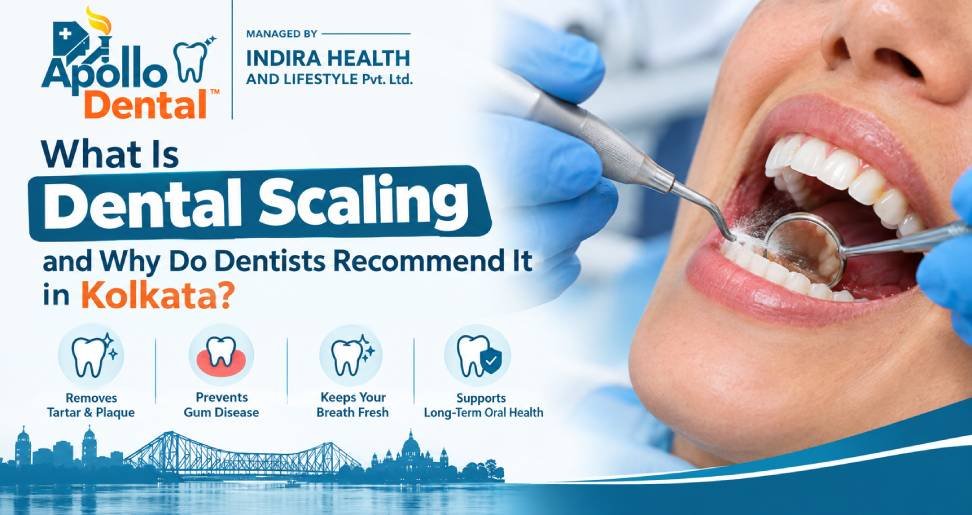
Maintaining good oral hygiene involves more than brushing and flossing every day. Even with regular brushing, plaque and hardened tartar can build up around the teeth and gumline. Over time, this buildup may contribute to bad breath, gum inflammation, bleeding gums, and other dental problems. This is why dentists often recommend dental scaling as part of professional oral care.
For people searching for dental scaling in Kolkata, understanding the procedure, its benefits, and when it may be required can help them make informed decisions about their dental health.
What Is Dental Scaling?
Dental scaling is a professional dental cleaning procedure used to remove plaque, tartar, and deposits that cannot be effectively eliminated through regular brushing.
Plaque is a soft, sticky layer of bacteria that continuously forms on the teeth. When plaque is not removed properly, it can harden into tartar, also called dental calculus. Unlike plaque, tartar cannot usually be removed with a toothbrush or ordinary floss.
During scaling, a dentist or dental hygienist uses specialized instruments to carefully remove these deposits from the tooth surfaces and around the gumline. Depending on the condition of the teeth and gums, the dentist may also recommend polishing after scaling.
Why Do Dentists Recommend Dental Scaling?
Dentists may recommend scaling when plaque and tartar have accumulated despite regular home cleaning. One of the main reasons is to support healthy gums and prevent the progression of gum-related problems.
Here are some common reasons dentists recommend professional scaling:
1. Helps Remove Hardened Tartar
Tartar can develop in areas that are difficult to clean thoroughly at home, particularly behind the lower front teeth and along the gumline. Professional scaling helps remove these hardened deposits without relying solely on brushing.
2. Supports Healthy Gums
Plaque and tartar around the gumline can irritate the gums. This may result in redness, swelling, tenderness, or bleeding while brushing. Removing the buildup can help maintain cleaner tooth and gum surfaces.
3. Helps Reduce Bad Breath
Accumulated plaque, tartar, and bacteria can contribute to persistent mouth odor. Professional cleaning removes deposits that may be contributing to the problem. However, persistent bad breath can have several causes, so a dental examination may be necessary if the issue continues.
4. Helps Prevent Gum Disease
Untreated plaque and tartar can contribute to gum disease. Early gum disease may cause symptoms such as bleeding or swollen gums. If the condition progresses, it can affect the tissues and structures supporting the teeth.
Regular dental examinations and professional cleaning can help dentists identify and manage these problems at an earlier stage.
5. Makes Teeth Feel Cleaner
After scaling and polishing, many patients notice that their teeth feel smoother and cleaner. Surface stains and deposits may also be reduced, depending on their cause and severity.
How Is Dental Scaling Performed?
Dental scaling is generally performed in a dental clinic. The exact process can vary depending on the amount of tartar and the patient’s oral health.
A typical appointment may include the following steps:
Dental examination: The dentist first checks the teeth, gums, and overall oral condition.
Scaling: Specialized instruments are used to remove plaque and tartar from the teeth. Ultrasonic instruments may be used in some cases to help loosen and remove deposits.
Cleaning and polishing: After scaling, the teeth may be polished to remove certain surface stains and leave the tooth surfaces smoother.
Oral hygiene guidance: The dentist may explain brushing, flossing, and other habits that can help reduce future plaque accumulation.
If there is significant gum disease or deposits below the gumline, a different or more extensive periodontal cleaning procedure may be required. The dentist can determine the appropriate treatment after examination.
Is Dental Scaling Painful?
Many people worry that dental scaling will be painful. The level of discomfort can vary from person to person.
People with healthy gums and limited tartar may experience little discomfort. However, individuals with sensitive teeth, inflamed gums, or extensive tartar buildup may experience temporary sensitivity during or after cleaning.
If you have dental anxiety or sensitive teeth, tell your dentist before the procedure. The dental team can explain the process and take appropriate measures to make the appointment more comfortable.
What Can You Expect After Scaling?
It is common to experience mild tooth sensitivity or slight gum tenderness after professional cleaning, particularly when there was considerable tartar buildup. These effects are generally temporary.
Your dentist may recommend avoiding extremely hot or cold foods for a short period if your teeth feel sensitive. Maintaining good oral hygiene after scaling is also important because plaque begins forming again naturally.
Scaling is not a permanent replacement for daily brushing and flossing. Instead, it works alongside your regular oral hygiene routine.
How Often Should You Get Dental Scaling?
There is no single schedule that is suitable for everyone. The frequency of professional cleaning depends on factors such as oral hygiene, tartar formation, gum health, smoking or tobacco use, diet, and existing dental conditions.
Some people may need professional cleaning periodically, while those with gum disease or a higher risk of tartar buildup may require more frequent dental visits.
Rather than choosing a fixed schedule independently, discuss your oral health with a dentist who can recommend an appropriate maintenance plan.
Why Consider Dental Scaling in Kolkata?
Kolkata has a wide range of dental clinics offering preventive and restorative oral care. People living in areas such as New Town, Salt Lake, Ballygunge, Gariahat, Rajarhat, Behala, and other parts of the city can find dental professionals for routine examinations and cleaning.
When choosing a clinic for dental scaling in Kolkata, consider factors such as the dentist’s qualifications, clinic hygiene, available equipment, treatment approach, and whether the dentist performs a proper examination before recommending a procedure.
It is also important to remember that scaling should be performed by a qualified dental professional rather than attempting to remove tartar at home with sharp or abrasive objects.
Dental Scaling vs. Regular Brushing
Brushing twice a day is essential, but it cannot always remove hardened tartar. Brushing helps control plaque before it becomes calcified, while professional scaling is designed to remove deposits that have already hardened.
A good oral care routine should therefore include:
- Brushing twice daily with fluoride toothpaste
- Cleaning between teeth regularly
- Limiting frequent sugary snacks and drinks
- Drinking sufficient water
- Avoiding tobacco products
- Visiting a dentist for regular check-ups
- Getting professional cleaning when recommended
Combining these habits can help maintain healthier teeth and gums over the long term.
Final Thoughts
Dental scaling is a commonly recommended professional cleaning procedure that removes plaque and hardened tartar from the teeth. It can support gum health, improve oral cleanliness, and help dentists manage problems associated with plaque and tartar accumulation.
If you notice bleeding gums, persistent bad breath, visible tartar, swollen gums, or other changes in your mouth, consider scheduling a dental examination. A qualified dentist can assess your condition and determine whether scaling or another treatment is appropriate.
For anyone considering dental scaling in Kolkata, the right approach is to have your teeth and gums examined by a dental professional rather than relying on self-treatment. Regular professional care, combined with consistent daily oral hygiene, can play an important role in maintaining a healthy smile.